
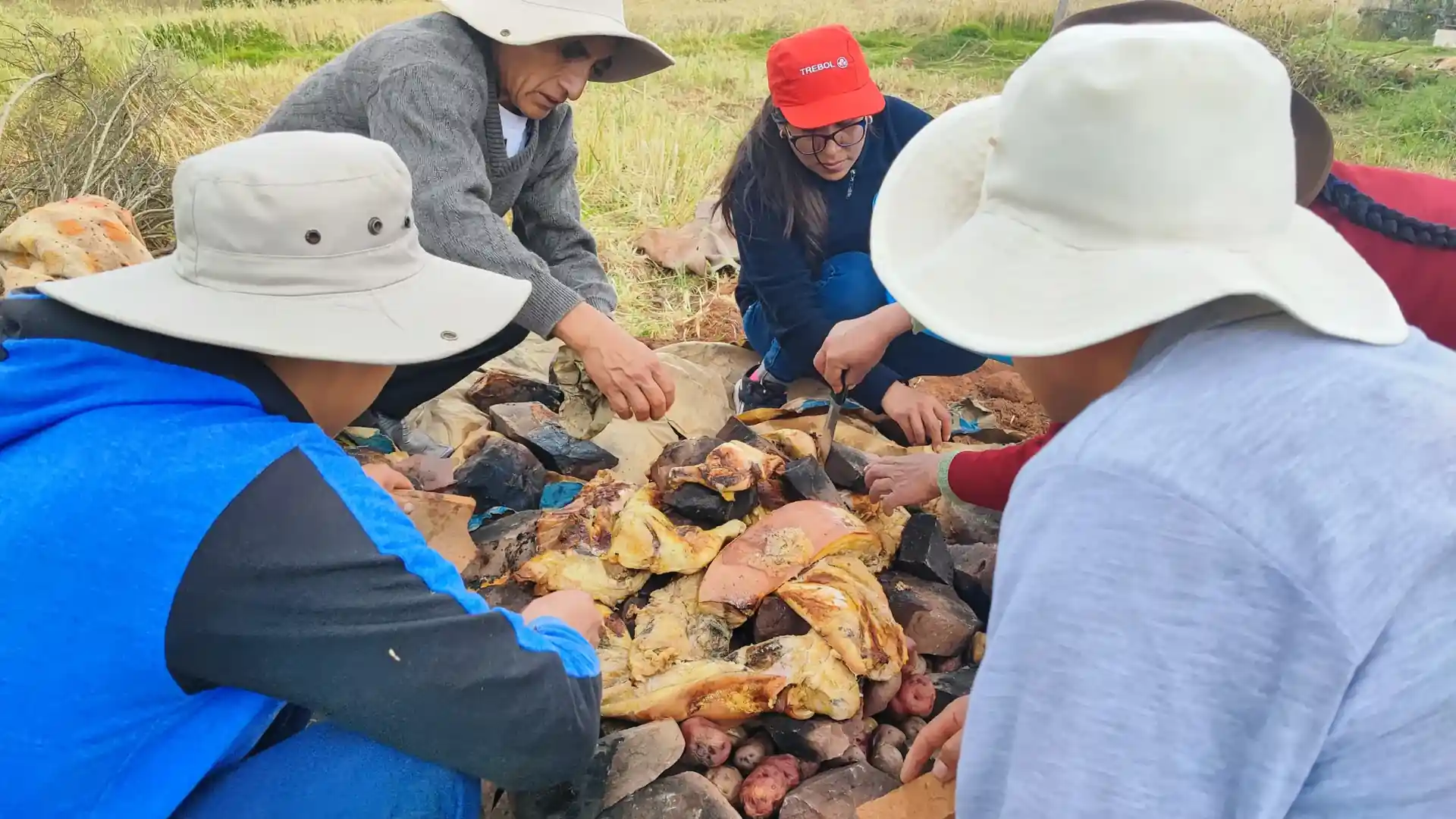
The traditional Pachamanca is one of Peru’s most iconic and traditional dishes, deeply rooted in the Andean culture. Its name comes from the Quechua words “Pacha” (earth) and “Manca” (pot), meaning “earth oven.” This ancient cooking technique, which dates back to pre-Inca times, involves cooking food underground using hot stones.
Origins and Cultural Significance
The traditional Pachamanca has been a sacred ritual and a symbol of gratitude to Pachamama (Mother Earth). The dish is traditionally prepared during harvest festivals, special family gatherings, and ceremonial events. It represents the harmony between humans and nature, showcasing the Andean people’s respect for the land that nourishes them.
Preparation Process
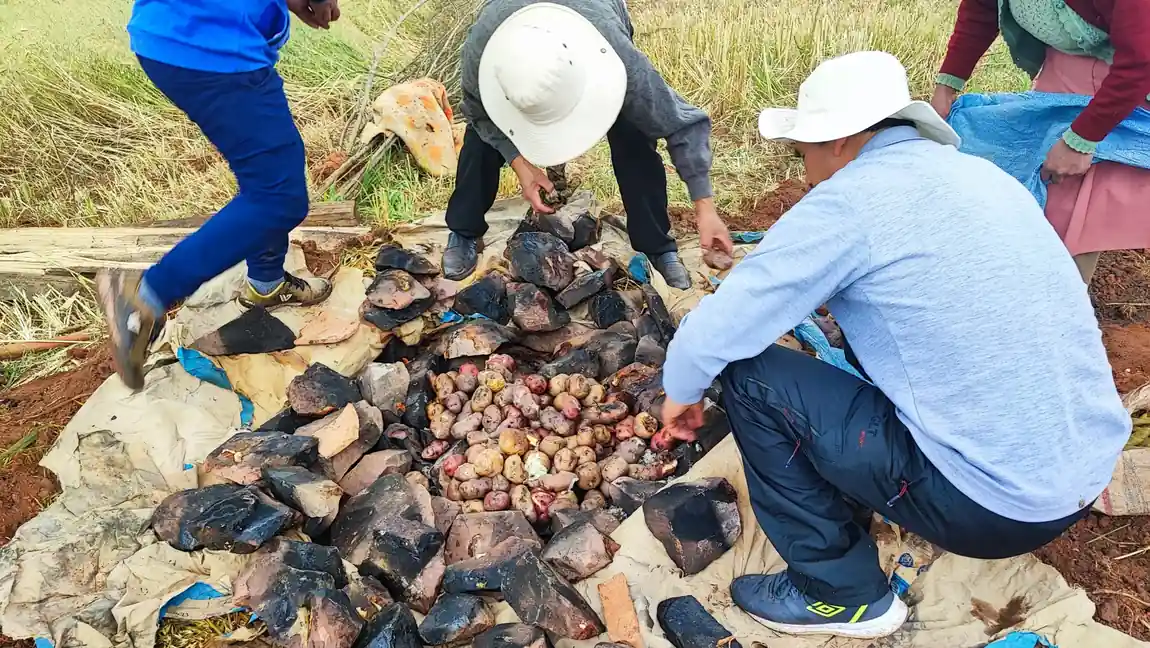
Preparing a Pachamanca requires a well-coordinated effort and profound culinary knowledge. The process begins with heating stones over an open fire until they reach an extreme temperature. A hole is then dug in the ground, and the hot stones are carefully arranged to create a natural oven.
Ingredients
The variety of ingredients used in a Pachamanca showcases the rich biodiversity of Peru. Some of the essential ingredients include:
- Meats: Typically, lamb, pork, beef, chicken, or guinea pig (cuy) are used, marinated with Peruvian herbs such as huacatay, chincho, and paico.
- Tubers: Potatoes, sweet potatoes, and ocas, staples of Andean cuisine, are essential components.
- Legumes: Fava beans and corn wrapped in husks add a distinct flavor and texture.
- Spices and Seasonings: Natural ingredients like garlic, cumin, and salt enhance the overall aroma and taste.
Cooking Process
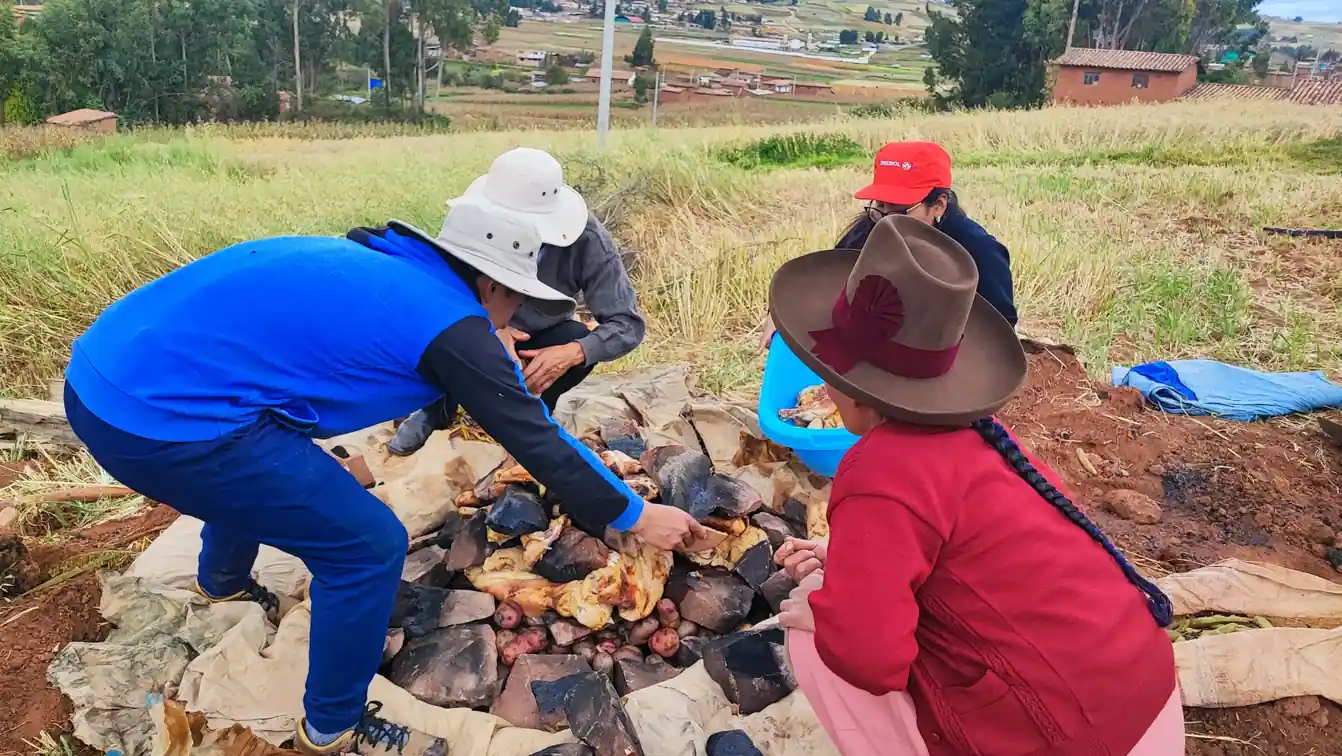
Once the stones are at the right temperature, the meat and vegetables are layered inside the pit. Large banana leaves or corn husks are used to cover the food, adding a smoky and earthy flavor while preventing direct contact with the stones. The entire oven is then covered with soil, creating a natural pressure cooker effect that allows slow cooking for several hours.
After the waiting period, the pit is carefully uncovered, and the steaming hot feast is revealed. The result is tender, flavorful, and aromatic food with an unbeatable earthy taste.
 The Traditional Pachamanca in Cusco
 The Traditional Pachamanca in Cusco
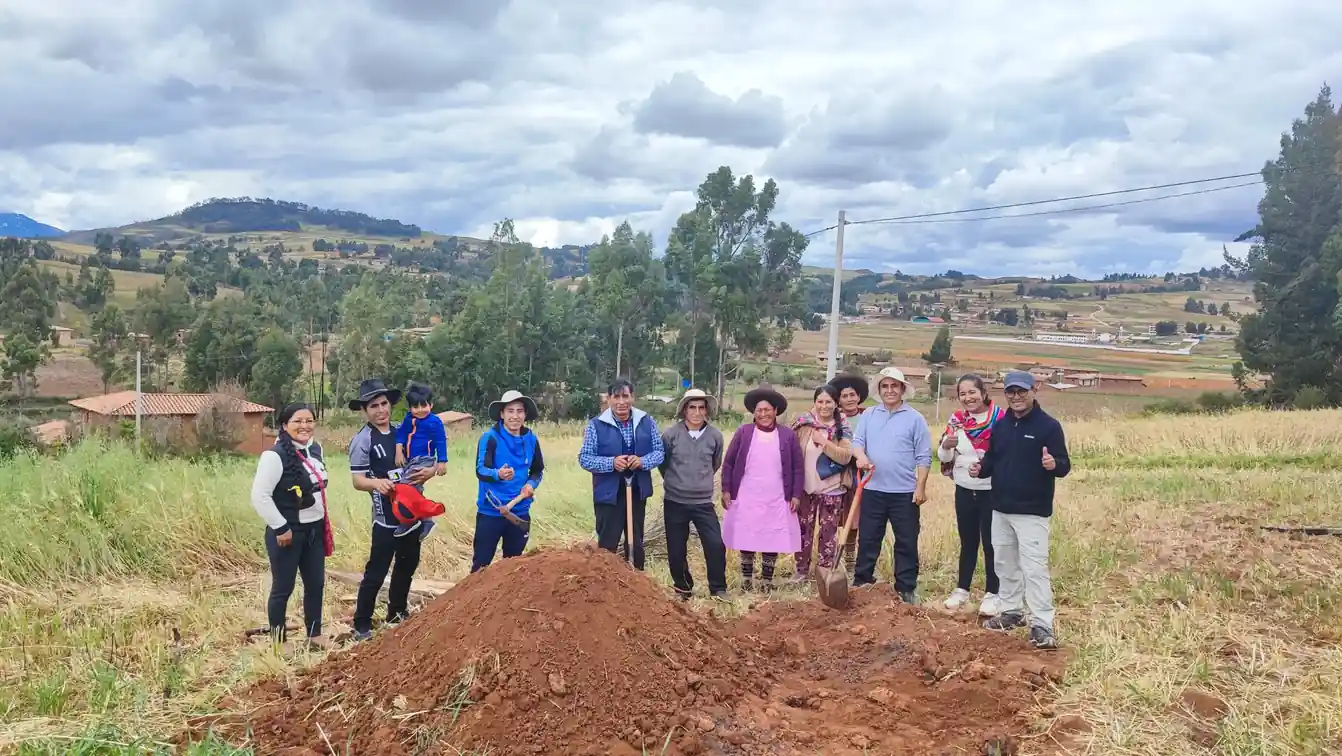
While the Pachamanca is enjoyed across Peru, Cusco holds a special place in its history and preparation. Given Cusco’s role as the heart of the Inca Empire, this dish remains a fundamental part of regional cuisine and festivities.
Where to Experience a Pachamanca in Cusco
In Cusco, various communities and rural areas offer authentic Pachamanca experiences, often combined with cultural tours and agricultural activities. Some of the best places to enjoy a traditional Pachamanca include:
- Sacred Valley: Many local farms and eco-tourism centers provide hands-on Pachamanca cooking experiences.
- Traditional Andean Communities: Villages around Pisac, Chinchero, and Ollantaytambo offer visitors a chance to engage with local farmers and chefs.
- Special Events and Festivals: During regional festivities, many restaurants and households prepare Pachamanca as part of the celebrations.
The Experience of Eating Traditional Pachamanca
Eating Pachamanca is more than just a culinary delight; it is a cultural experience. The dish is typically served in a communal setting, emphasizing the importance of family and community bonds. The flavors of the food are rich, smoky, and deeply satisfying, offering a true taste of Andean heritage.
Visitors to Cusco who try Pachamanca not only indulge in delicious food but also gain insight into the ancestral traditions that have shaped Peruvian gastronomy.
Conclusion
The Pachamanca is a symbol of Andean identity, a dish that carries the history, culture, and flavors of Peru. Whether you are exploring Cusco or the Sacred Valley, experiencing a Pachamanca is a must for anyone looking to connect with the region’s rich culinary traditions. It is not just a meal—it is a celebration of life, community, and Mother Earth.